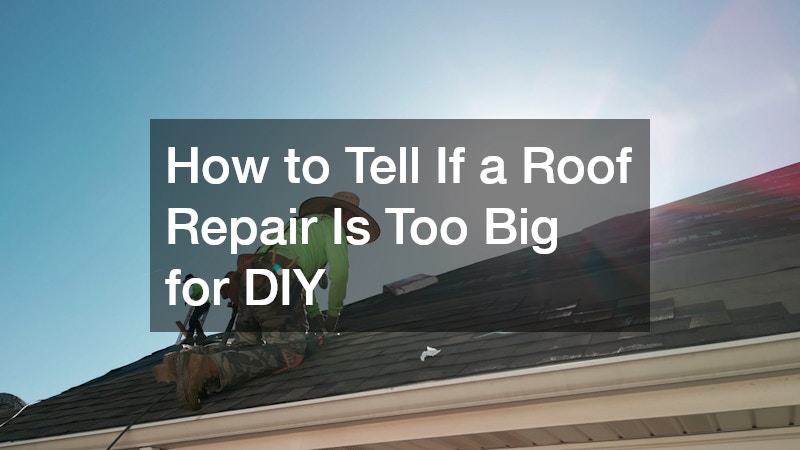
In this article, we’ll explore the essential aspects of determining when a roof repair project is too complex or dangerous for the average do-it-yourselfer. Understanding when to call in a professional can save time, money, and potentially prevent accidents. Roofs are a critical component of a home’s integrity, meaning improper repairs can lead to extensive damage. Roof repairs often require specific tools and expertise that most homeowners do not possess.
Therefore, carefully assessing the situation is crucial before attempting to fix the roof yourself.
What Are the Common Signs of a Roof Requiring Professional Repair?
One of the most apparent signs that a roof needs professional attention is water leakage inside the home. When shingles are damaged or missing, they can allow water to seep through, leading to water stains on ceilings or walls. Furthermore, sagging roof lines often indicate structural issues that demand professional intervention. The presence of mold or mildew, due to poor ventilation and moisture accumulation, suggests that the underlying problems are more complex than they appear. Consequently, these conditions highlight the necessity of seeking experienced help instead of resorting to temporary DIY patches.
Another common indicator of the need for professional repair is the age of the roof. Most roofing materials have a finite lifespan, such as asphalt shingles which typically last 20-25 years. If your roof is approaching the end of its life expectancy, repairs may be more frequent and less effective. Additionally, frequent repairs signal systemic issues that might not be apparent to the untrained eye. In such cases, a roofing contractor can provide a thorough evaluation and recommend long-term solutions or replacement.
Weather damage from storms, hail, or high winds is another sign that roof repair is necessary. Extreme weather can lead to unexpected problems like cracked or curled shingles. Attempting to fix weather damage without the proper tools and expertise often results in inadequate repairs. Professionals have the experience to diagnose and address the underlying issues effectively. Ignoring these signs not only jeopardizes the roof’s functionality but can also escalate repair costs over time.
How to Assess the Complexity of Roof Repairs?
Evaluating the complexity of a roof repair begins with determining the extent of the damage. Minor fixes, such as replacing a few shingles, can often be manageable with basic DIY skills. However, more complex repairs involve multiple components like flashing, vent boot repairs, or large-scale shingle replacement. Such tasks usually require an in-depth understanding of roofing systems and construction principles. Thus, accurately assessing the damage ensures that you are not undertaking a project beyond your skill level.
Consider the tools and materials needed to complete the repair. Often, DIY enthusiasts lack the specialized equipment required for thorough and safe roof repairs. For example, working on a steep slope might necessitate safety harnesses and ladders specifically designed for roofing tasks. Additionally, heating or cold bonding processes used in certain roof types are impractical without technical knowledge. Evaluating equipment requirements helps in deciding whether to pursue the repair yourself or hire a professional.
The potential for unforeseen complications also contributes to the complexity of a roof repair. What might seem like a simple patch job could reveal deeper issues such as wood rot or subpar insulation. Often, these complications only become apparent once the repair is underway, proving costly in time and resources. Essentially, understanding the full scope of potential problems can prevent underestimating the complexity of a seemingly straightforward repair. Professional roofers are trained to anticipate and handle such problems efficiently.
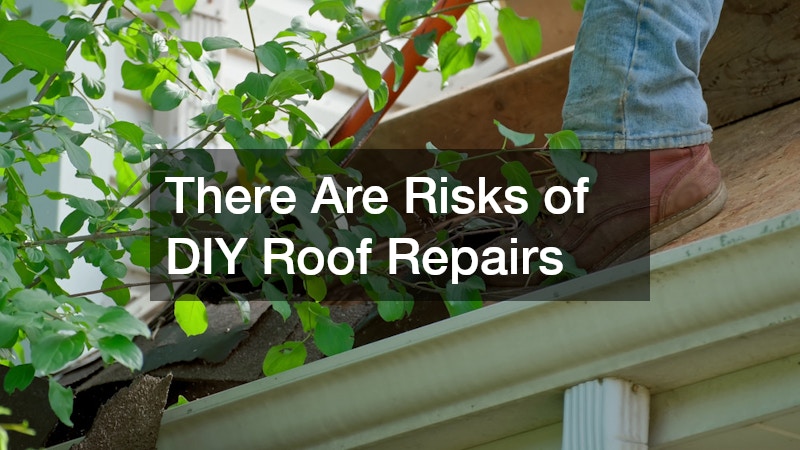
What Are the Risks of DIY Roof Repairs?
Safety concerns are paramount when it comes to DIY roof repairs. Roofing work involves significant height and fall risk, which can lead to severe injuries or even fatalities. According to the Occupational Safety and Health Administration, a large percentage of construction accidents involve falls from roofs. Thus, inadequate safety measures contribute to high-risk operations which should preferably be avoided by inexperienced individuals. Moreover, inappropriate handling of roofing materials can cause physical injuries like cuts and bruises.
The lack of expertise is another key risk associated with DIY roof repairs. Without proper training, even a motivated homeowner might misdiagnose the issue or repair it inadequately. Misapplication of roofing materials, such as sealants and flashings, may lead to incomplete fixes that deteriorate quickly. Not only does this compromise the roof’s integrity, but it also potentially voids any existing warranties on materials. Therefore, the complexity of roofing work underscores the importance of relying on skilled professionals for lasting repairs.
Financial implications also arise when undertaking roof repairs without the necessary proficiency. Errors in the repair process can exacerbate existing issues, resulting in expensive corrective measures. Inefficient DIY attempts might also cause premature roof replacements, significantly increasing costs over time. Moreover, professionals are often able to procure materials at lower rates and with warranties, thus offering cost-effective solutions. Balancing the risk-reward ratio usually favors hiring a professional, ensuring quality repair and peace of mind.
When Is It Time to Call a Professional Roofer?
Calling a professional roofer becomes essential when the damage involves critical elements of the roof structure. For instance, compromised support beams or rafters may require complex repairs that ensure the roof’s ability to withstand environmental forces. Structural assessments demand expertise as the implications of even minor mistakes can compromise safety. Additionally, projects involving extensive waterproofing or full roof replacements are best handled by professionals to ensure adherence to building codes and regulations.
Professional intervention is advisable when specific, technical repairs are needed. For example, chimney flashing issues or issues with architectural features like dormers require specialized skill sets. In such cases, precisely measured materials and techniques are crucial for ensuring a watertight seal. Precision in installation reduces risks of water intrusion and potential damage to interior components of the home. By employing a skilled roofer, homeowners can ensure comprehensive solutions that preserve roof performance over time.
Timing also plays a crucial role in deciding when to call a roofer. Regular maintenance schedules or after severe weather events are optimal times for professional inspections. Experts can preemptively address seemingly minor issues before they escalate, preventing costly repairs in the future. Furthermore, qualified roof contractors bring attention to upgrades in roofing technology or materials that might enhance home value and energy efficiency. By engaging professionals timely, homeowners safeguard both their investments and their home’s structural integrity.
What to Consider When Hiring a Roofing Contractor?
One of the primary considerations when hiring a roofing contractor is verifying their credentials and experience. Ensure they hold the necessary licenses and certifications specific to your region, as these are indicators of professionalism and adherence to industry standards. Additionally, reviewing their portfolio and client testimonials provides insight into their workmanship and reliability. Opt for contractors with a strong track record in handling projects similar in scope to yours, thereby ensuring they understand the specific needs and challenges of your repair.
Another key factor is assessing their commitment to safety and compliance with regulations. Reputable contractors should prioritize safety as an integral part of their operations, demonstrated through the use of advanced safety protocols. Ensuring they are insured and bonded protects you from liability in case of accidents or damages during execution. Inquire about their safety training programs and adherence to OSHA guidelines, as these practices define their commitment to quality and safety. Comprehensive coverage by the contractor prevents unforeseen financial burdens on your part.
Cost and communication are also critical when choosing a roofing contractor. Transparent communication regarding estimates, timelines, and project scope is essential to avoid misunderstandings. Obtain detailed quotes from multiple contractors, clarifying what is included in their pricing structures. Strive for a balance between cost-effectiveness and quality of service, rather than choosing based solely on the lowest bid. Establishing a clear communication line ensures alignment of expectations and facilitates smooth execution throughout the repair process.
Knowing when a roof repair is beyond your capabilities is crucial in safeguarding your home and ensuring the longevity of your roof. It’s essential to weigh the factors discussed and opt for professional help when necessary to achieve the best results. Professional roofers bring expertise, efficiency, and safety to the table, making them invaluable for those projects that pose high risks or demand specialized skills. Acknowledging your limits and seeking qualified assistance ultimately ensures the structural and financial viability of your property. With careful consideration and the right approach, homeowners can make informed decisions, preserving the health and value of their homes.